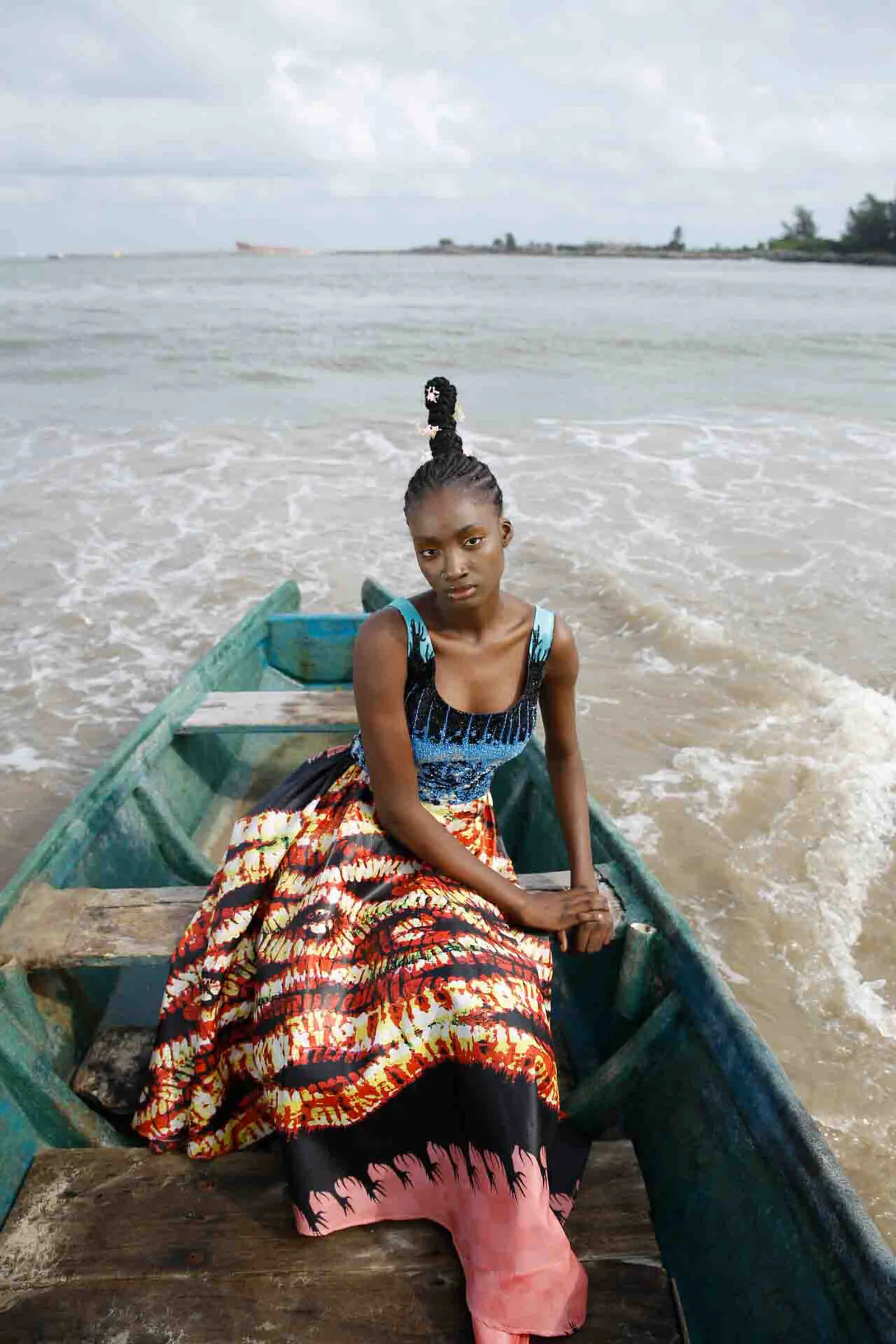
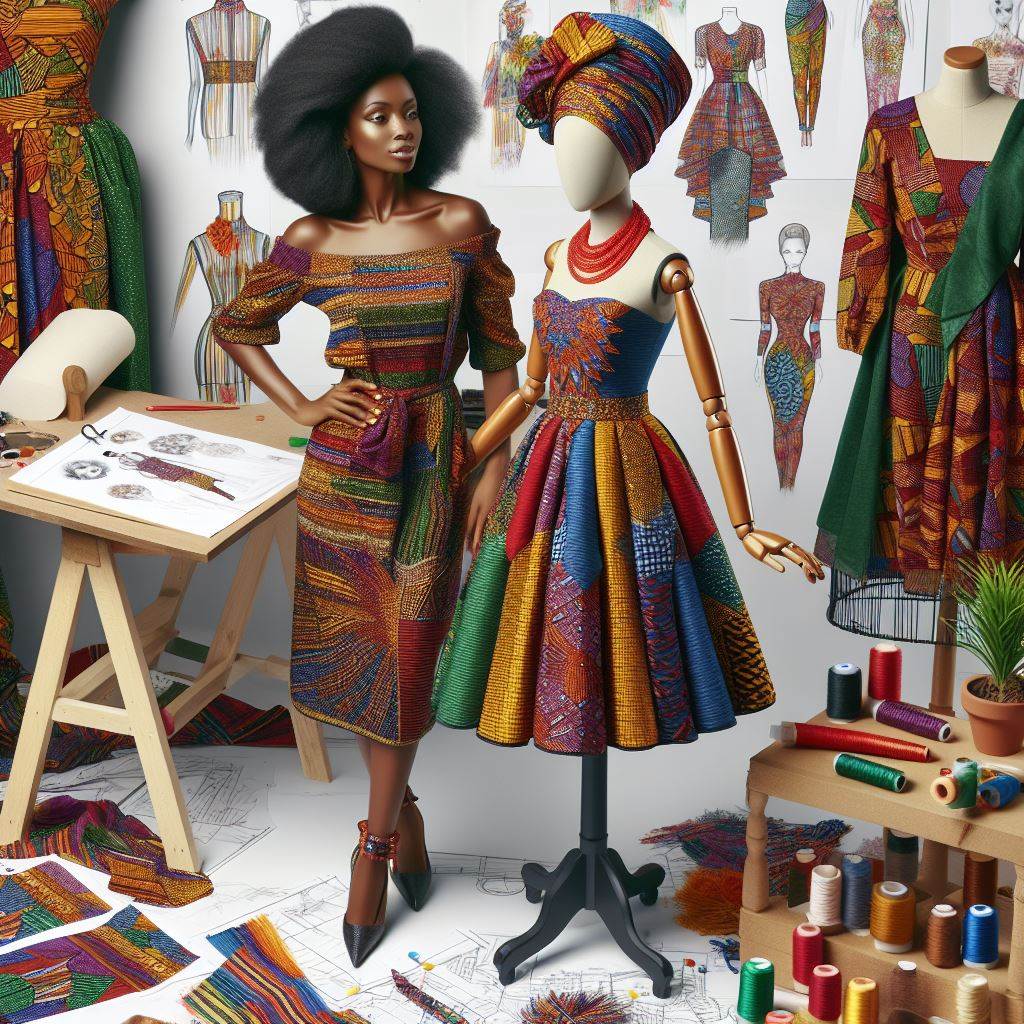
Sustainable Fashion in Nigeria is gaining momentum worldwide, and the country is emerging as a leading force in eco-friendly fashion. With a strong tradition of craftsmanship, Nigerian artisans are creating handmade bags and fabrics that combine style, culture, and sustainability.
The Rise of Sustainable Fashion in Nigeria
As global consumers become more environmentally conscious, the demand for ethical and sustainable products continues to grow. In Nigeria, this shift is driving the production of handmade goods using natural materials, local resources, and traditional techniques.
Unlike mass-produced fashion, these products are made with care, reducing waste and promoting responsible consumption.
Handmade Bags: Style Meets Sustainability
Nigerian handmade bags are crafted from materials such as leather, raffia, woven fabrics, and recycled textiles. These bags are not only durable and stylish but also environmentally friendly.
Each piece is unique, reflecting the artisan’s creativity while supporting slow fashion principles that prioritize quality over quantity.
Eco-Friendly Fabrics with Cultural Roots
Nigeria is rich in traditional fabrics such as Adire, Aso-Oke, and Ankara, many of which are produced using sustainable methods. Techniques like natural dyeing and hand weaving reduce environmental impact while preserving cultural heritage.
These fabrics are now being used in modern fashion, appealing to global buyers who value authentic and eco-conscious clothing.
Global Opportunities Through Export
With increasing global demand for sustainable fashion, Nigerian handmade products are reaching markets in the UK, USA, EU, and Asia. Platforms like NaijaExportWorld help connect local artisans with international buyers, making export easier and more accessible.
Empowering Communities and Protecting the Planet
Sustainable fashion in Nigeria supports local artisans, small businesses, and rural communities. It creates jobs, promotes ethical production, and helps reduce environmental impact.
By embracing sustainable practices, Nigeria is not only preserving its cultural heritage but also contributing to a greener and more responsible global fashion industry.